
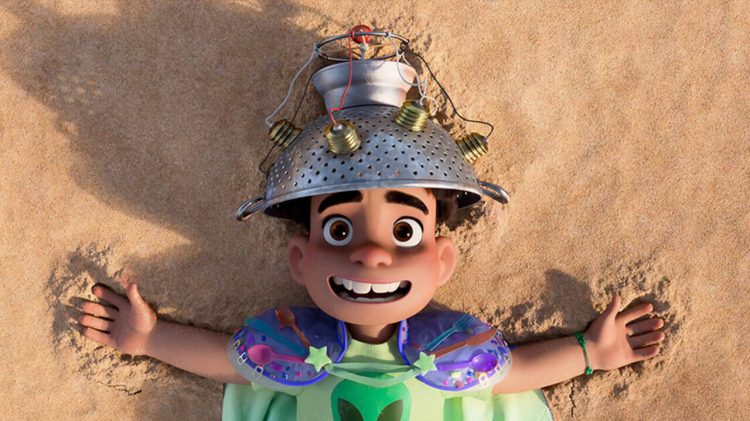
Every time a new, original Pixar movie comes out, I feel like I’m watching two different realities unfold at once. In the first reality, the movie is a success with those who’ve actually seen it. For Elio, the early screenings suggest that Pixar has delivered something special and that word-of-mouth is positioned to be incredibly strong. But then there’s the second reality, the one we actually live in. The one where the box office trackers are grim and the movie that should be an event is being met with a deafening silence. And it’s a deeply strange feeling to be excited for a movie that already feels like it’s been set up to fail.
This sense of deja vu is overwhelming because I watched this exact scenario play out just a few years ago. The marketing for Elemental wasn’t just uninspired; it felt like a masterclass in how to misrepresent your own movie. The trailers were a cascade of generic jokes, selling a clunky concept of “what if elements had feelings?” while completely ignoring the film’s soul. They never showed us the breathtaking animation in action, the charming romance, or the deeply resonant immigrant story at its core. I’ll be honest with you, the trailers were so bad, I almost skipped Elemental myself.
Then a minor miracle happened. People ignored the marketing. They bought a ticket. They took their families and discovered one of Pixar’s best movies in years hiding in plain sight. It was fascinating to watch online, as the conversation shifted in real-time from jokes about the bad trailers to passionate pleas for people to give the movie a chance. Fueled by platforms like TikTok, word-of-mouth became a grassroots movement that gave Elemental incredible legs at the box office, turning a certified flop into a legitimate, profitable hit. It was a victory, but a victory that proves the system is broken.

This isn’t a one-off pattern for Pixar though. Remember Onward? It was a perfectly charming adventure with a gut-punch of an ending, yet it was treated like an afterthought from day one. It was tracking for a weak debut long before the pandemic became a convenient scapegoat.
It creates a baffling contradiction. Disney itself seems to believe in the theatrical power of the brand, evidenced by the recent, if bittersweet, theatrical re-releases for Soul, Luca, and Turning Red, which only got initial streaming releases during the pandemic. Finally seeing them on the big screen where they belonged felt right, even if it was sad to see them play to smaller crowds because the cultural moment had passed. It’s a corporate cognitive dissonance: the movies are simultaneously premium art worthy of a theatrical run, yet seemingly not worthy of a marketing budget to support that run in the first place.
I can’t help but wonder if Pixar is just taking shrapnel from Disney’s other problems. Are audiences so fatigued by the endless stream of cynical live-action remakes that they’re just tuning out the whole brand? This “IP-first, story-second” approach has consequences. It creates a media ecosystem where original screenplays are treated as huge financial risks rather than creative opportunities, even when they come from a studio with Pixar’s unparalleled track record. When a studio churns out uninspired movies, it doesn’t just damage those specific titles; it erodes the audience’s trust in the logo itself. It feels possible that Pixar is paying the price for the company’s broader creative fatigue. We just saw the excitement for Universal’s live-action How to Train Your Dragon play out in theaters this past weekend, and it felt like it came from a place of passion. Perhaps moviegoers can smell the difference.
Look, I want Elio to be a massive hit. But relying on miracles isn’t a business strategy. It’s a betrayal of the hundreds of artists who pour their souls into these movies for years on end. You can’t ask them to create magic and then just cross your fingers and hope someone stumbles upon it by accident. Pixar’s legacy was built on being an unmissable theatrical event. They deserve a marketing push that reminds the world of that.
 That Nerd Zach
One thought on “Déjà Vu With Pixar’s Elio: Is Disney’s Marketing Problem Repeating Itself?”