
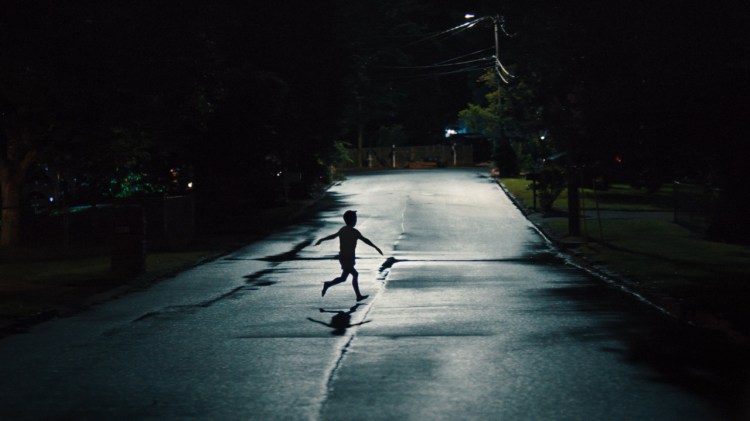
Sometimes a movie doesn’t resonate with you right away. It creeps in, scene by scene, until you realize you’ve been holding your breath for the last twenty minutes. Weapons was that kind of movie for me. It’s the second feature from Zach Cregger, and while it shares some DNA from Barbarian, a willingness to keep the audience guessing, a refusal to stick to one straightforward narrative lane, this is a very different beast.
A DIFFERENT KIND OF DREAD
Weapons has a simple premise. A month has passed since a class vanished without warning. There’s one lone survivor, a kid who seems adrift in the aftermath. The town likes to point fingers, rumors spread, and the teacher becomes the unofficial prime suspect. But that’s only the starting point. Weapons refused to march in a straight line from question to answer. It takes more of a scenic route (or more of a haunted route if you will), through different timelines and perspectives, giving us fragments that only make sense when you start piecing them together later.
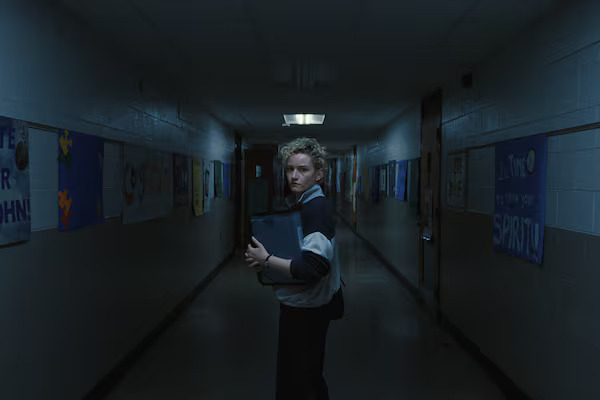
That structure could have been a headache, but it worked. Each segment felt distinct, yet connected, and the shift never pulled me out of the story. Instead they deepened the unease. I was constantly adjusting to new information, wondering how it fit together. And that uncertainty became part of the tension.
This isn’t a loud, frantic kind of horror. It’s quieter, more patient. The real unease came from tone and pacing. From the way the camera lingered just a little too long, or how conversations trailed off into uncomfortable silences. There’s no constant barrage of jump scares here. Instead, there’s an ever-present sense that something is wrong, even in the most mundane of moments. It’s a slow build that rewards your patience, and when the more intense scenes did hit, they landed with twice the impact.
AN ENSEMBLE OF UNEASE
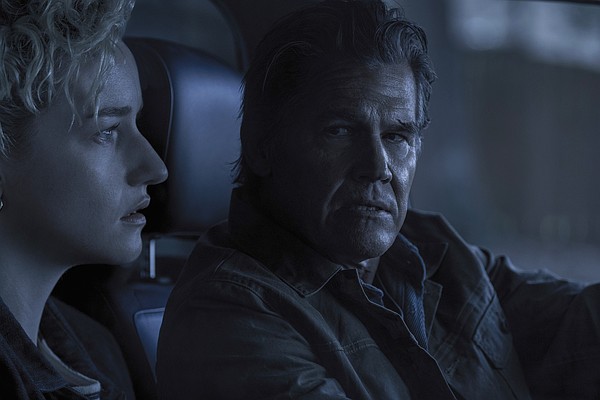
The cast makes the atmosphere believable. Benedict Wong was a stand out. Understated, but magnetic. I don’t want to spoil the fun, but he was definitely the kind of role where you lean in just to catch every moment. Julia Garner plays her role with a quiet intensity (in the vein of her performance in Ozark). Josh Brolin brings a gruff weight, Alden Ehrenreich adds an unpredictable energy, and Amy Madigan rounds things out with a performance that snuck up on me. None of them overshadowed each other and felt miscast. This is an ensemble that works because everyone seems to understand the exact tone Cregger is aiming for.
There are nods to classic horror sprinkled throughout Weapons. Echoes of The Shining in its uneasy stillness and It in the way it builds dread within a small community. These are influences, not crutches. The movie never feels like it was winking at the audience or leaning on nostalgia to get a reaction. Those touches were there for texture, not gimmicks.
Visually, the movie thrives on restraint. The lighting tends toward muted and shadowy, creating a constant impression of overcast skies even when the sun is out. The framing often made me feel boxed in, as though there’s something lurking just beyond what I could see. When the visuals do open up, wider shots, brighter lighting, it’s rarely a relief. More often, it’s a reminder that danger doesn’t disappear just because I could see further.
The pacing will probably divide people. Some will find the deliberate tempo gripping, while others may wish it would hurry up. Personally, I found it effective. It gives space for Weapons unsettling details to sink in, and it mirrors the uncertainty the characters are living through. Time felt stretched, warped; just as it might in a town where something inexplicable has happened and everyone’s waiting for answers that never come quickly.
NO EASY ANSWERS
By the time the ending came, the movie earned the right to hit hard. And it does. It doesn’t hold anyone’s hands or spell anything out. It leaves you with images and questions that stick around after the credits roll. It’s not neat, and it’s not comforting. But it feels right for the story Weapons is telling.
Weapons doesn’t play by the usual horror rules. It’s less about delivering scares in the moment and more about building a lasting sense of unease. If you like horror that invites you to piece things together yourself and sit with that feeling of uncertainty, this one’s worth your attention. Keep your expectations loose and let the movie lead you where it wants. The payoff is in the atmosphere and the mystery. My advice? Go in with an open mind, and don’t try to predict what’s coming. You’ll be glad you did. Because maybe you will find one of the best horror movies of 2025.
 That Nerd Zach